So you want crispy food without the guilt (or mess) of deep frying? You’ve probably heard everyone raving about air fryers. But here’s the plot twist: an air fryer is basically a compact convection oven with a more powerful fan.
Yes, really. Let’s break down what makes each kitchen appliance tick and help you decide which one deserves counter space in your home.
How They Actually Work (Spoiler: It’s the Same)
Both air fryers and convection ovens use the same fundamental principle: circulating hot air around your food to create that coveted crispy exterior. The magic isn’t in “air frying”—it’s in convection cooking.
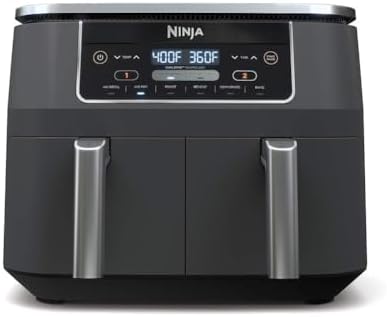
Air fryers are compact countertop devices with a powerful heating element positioned on top and a large, fast fan. The smaller cooking chamber means air circulates more intensely and rapidly, creating faster, crispier results. Think of it as a convection oven that went to boot camp.
Convection ovens are larger (either built-in or countertop models) with fans that distribute heat throughout a bigger cavity. They cook more food at once but with slightly less intensity than an air fryer.
The Key Differences That Actually Matter
Size & Cooking Capacity
- Air fryers: Perfect for 1-3 servings (typically 4-6 quarts). Great for singles or couples, but families will need to cook in batches
- Convection ovens: Handle multiple dishes simultaneously—ideal for meal prep, entertaining, or feeding larger families
Speed & Preheat Time
Air fryers are the clear winners here. According to manufacturer specs, air fryers typically preheat in just 2-3 minutes compared to 5-10 minutes for convection ovens. Their compact size means they cook food about 20-30% faster overall.
The Crispiness Factor
Here’s where air fryers shine. Testing reveals that air fryers produce food that’s noticeably crispier on the outside while staying juicier inside. Why? The fan in an air fryer operates about 30% faster than standard convection fans, and the closer proximity to the heating element creates more concentrated heat.
Versatility & Functions
- Air fryers: Best for air frying, roasting, and reheating. Some models offer baking and dehydrating
- Convection ovens: Can air fry, bake, roast, broil, toast, and more. True multi-taskers for all your cooking needs
Counter Space & Kitchen Design
Air fryers are compact but dedicated appliances. Convection toaster ovens can replace multiple appliances (toaster, regular oven for smaller meals, air fryer), potentially freeing up more counter space despite their larger footprint.
Energy Efficiency
Both are more energy-efficient than full-size traditional ovens. Air fryers edge ahead slightly because they heat smaller spaces faster, potentially saving up to 55% on energy bills compared to conventional cooking methods.
Best Air Fryer Uses: When to Choose the Basket
Air fryers excel at:
- Frozen foods: Frozen french fries, chicken nuggets, and fish sticks come out perfectly crispy
- Small portions: Single servings or meals for two
- Quick weeknight dinners: Chicken wings, salmon fillets, or crispy vegetables
- Reheating leftovers: Brings back the crisp without making food soggy
- Healthier cooking: Uses 75% less fat than traditional deep frying methods
Best Convection Oven Uses: When Size Matters
Convection ovens are ideal for:
- Batch cooking: Multiple trays of cookies, roasted vegetables for meal prep
- Large families: Cooking dinner for 4+ people at once
- Baking: Cakes, breads, and pastries that need even, gentle heat
- Multi-dish meals: Roasting chicken while baking potatoes simultaneously
- Toast and pizza: Functions that require horizontal racks
The Price Reality Check
Air fryers range from $50-$300 depending on capacity and features. Popular models like the Ninja Air Fryer Max XL and Instant Vortex Plus offer excellent value around $100-150.
Convection toaster ovens with air fry capabilities run $150-400. Yes, they’re pricier, but you’re replacing multiple appliances with one versatile machine.
Can You Just Use Your Convection Oven Instead?
Absolutely! Many modern convection ovens now include dedicated air fry settings with faster fans and higher temperatures. You might not get quite the same level of crispiness as a standalone air fryer, but you’ll get close—especially if you use a perforated air fry basket.
The 20-25 degree temperature reduction rule applies to both: recipes designed for conventional ovens should be cooked at lower temps in either convection ovens or air fryers.
So Which One Should YOU Buy?
Choose an air fryer if you:
- Cook for 1-2 people regularly
- Have limited counter space and need something compact
- Prioritize speed and maximum crispiness
- Mainly cook frozen foods, proteins, and vegetables
- Want the most energy-efficient option


Choose a convection oven (or convection toaster oven) if you:
- Cook for a family or entertain frequently
- Want one appliance to replace your toaster, air fryer, and backup oven
- Enjoy baking breads, cookies, and pastries
- Need to cook multiple dishes at once
- Prefer built-in appliances for a sleeker kitchen design
The best of both worlds? Many brands now offer convection ovens with built-in air fry modes (like KitchenAid, Whirlpool, and Frigidaire ranges). This gives you the capacity of an oven with the air frying performance you crave.
Air fryers and convection ovens are more alike than different—they both use circulating hot air to cook food with less oil. Air fryers are smaller, faster, and crispier, while convection ovens are larger, more versatile, and better for families.
The truth? You don’t need an air fryer if you have a convection oven with an air fry setting. But if you’re cooking small portions and want restaurant-quality crispy results in record time, a dedicated air fryer might just become your new kitchen MVP.
Pro tip: Before buying, check if your current oven already has a convection setting. You might discover you’ve had air frying capabilities all along—you just needed the right accessories (like an air fry basket) to unlock them.