As winter temperatures drop and energy costs continue to fluctuate, choosing the right space heater for your home has never been more important. Two popular options dominate the market: digital space heaters and oil-filled radiators. Both promise to keep you warm, but they operate on fundamentally different principles and serve different needs. Understanding which type suits your situation can mean the difference between cozy comfort and disappointment—not to mention significant differences in your electricity bill.
The space heater market has evolved considerably, with manufacturers incorporating smart technology, improved safety features, and more efficient heating elements. Digital heaters now offer programmable thermostats, Wi-Fi connectivity, and precise temperature control, while oil-filled radiators have refined their designs for better heat distribution and silent operation. With so many variables to consider, making an informed choice requires looking beyond marketing claims to understand how these heating solutions actually perform in real-world conditions.
Understanding How Each Type Works
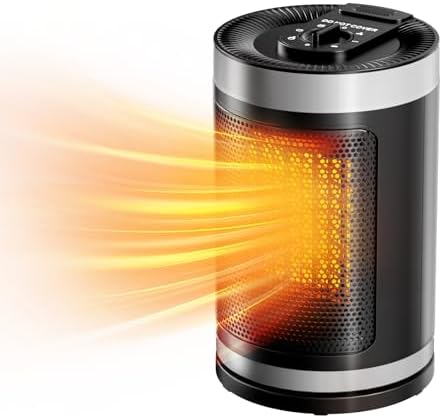
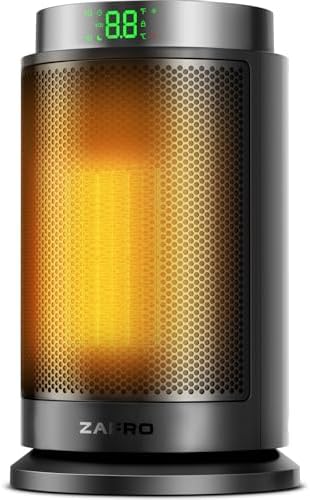
Digital space heaters, often called ceramic or fan-forced heaters, use electricity to heat a ceramic element or metal coil. A fan then blows air across this heated element, distributing warm air quickly throughout the room. The “digital” designation typically refers to the electronic controls and display panel rather than the heating mechanism itself. These heaters warm up almost instantly and can raise room temperature noticeably within minutes of being switched on.
Oil-filled radiators take a completely different approach. These heaters contain diathermic oil sealed inside metal columns or fins. When you plug in an oil-filled heater, electricity heats the oil, which then circulates through the radiator’s chambers via convection. The metal surface radiates heat into the surrounding air gradually and continues warming the space even after the heating element cycles off. The oil never needs replacing or refilling—it simply acts as a heat reservoir that maintains warmth efficiently.
The fundamental difference in operation creates distinct heating experiences. Digital heaters provide immediate warmth but stop producing heat the moment they’re turned off. Oil-filled models take longer to reach full temperature but maintain residual heat for extended periods, continuing to warm your space using stored thermal energy without drawing additional power.
| Feature | Digital Space Heater | Oil-Filled Radiator |
|---|---|---|
| Heat-Up Time | 30 seconds – Instant warmth | 15-30 minutes – Gradual heating |
| Heat Retention | Poor – Stops immediately when off | Excellent – Continues 20-30+ minutes |
| Energy Efficiency | Good – Frequent cycling | Better – 10-25% more efficient for extended use |
| Noise Level | Moderate – Fan hum 40-50 dB | Silent – Virtually no noise |
| Safety | High temp elements (500°F+), tip-over protection | Lower surface temp (150-200°F), very stable |
| Weight & Portability | 3-8 lbs – Very portable | 15-25 lbs – Heavy, usually has wheels |
| Price Range | $20-$250 (typically $30-$100) | $50-$200+ (typically $80-$150) |
| Lifespan | 5-8 years average | 10-15+ years |
| Maintenance | Regular cleaning required, fan can fail | Minimal – Just occasional dusting |
| Smart Features | Extensive – WiFi, apps, timers, remotes | Limited – Basic timers on newer models |
| Heat Distribution | Directional – Good for spot heating | Even – Whole room coverage |
| Air Quality | Circulates dust and allergens | No air movement, gentle on sinuses |
| Best For | Quick heating, intermittent use, bathrooms, offices, workshops | Extended use, bedrooms, living rooms, overnight heating, nurseries |
| Operating Cost | $0.15-$0.30/hour at 1500W | 10-25% lower for extended use due to heat retention |
Speed and Heating Performance
If you need heat fast, digital space heaters deliver unmatched performance. Within thirty seconds of turning one on, you’ll feel warm air flowing from the unit. This makes them ideal for spaces you use intermittently—a bathroom before your morning shower, a garage workshop during a quick project, or a home office you occupy only during working hours. The immediate gratification of instant heat is one of the strongest selling points for digital models.
Oil-filled radiators require patience. Depending on the model and room size, you might wait fifteen to thirty minutes before feeling significant warmth. However, this slower heating curve comes with advantages. The gradual temperature increase feels more natural and less jarring than the blast of hot air from a fan heater. Once an oil-filled heater reaches operating temperature, it maintains consistent warmth with remarkable stability, creating a comfortable environment without the temperature swings common with digital heaters.
For overall heating effectiveness, both types can adequately warm small to medium-sized rooms, typically up to 150-200 square feet. Digital heaters excel at spot heating—directing warmth toward specific areas or people. Oil-filled radiators provide more even heat distribution throughout the entire space, eliminating cold spots and creating uniform comfort. If you’re heating a bedroom overnight or a living room for extended periods, the consistent warmth from an oil-filled model often proves superior to the on-again, off-again heat cycle of digital units.

Energy Efficiency and Operating Costs
Energy efficiency represents a critical consideration for anyone concerned about utility bills. Both heater types convert electricity to heat at roughly the same rate—nearly 100% of the electrical energy becomes thermal energy. However, efficiency in practical use depends on more than just conversion rates; it involves how effectively each heater maintains desired temperatures without wasting power.
Digital space heaters typically cycle on and off more frequently because they don’t retain heat. Once the thermostat reaches the set temperature and shuts off, the heating element cools quickly, and room temperature can drop noticeably before the unit kicks back on. This cycling pattern can lead to higher overall electricity consumption, especially in poorly insulated spaces where heat escapes rapidly.
Oil-filled radiators demonstrate superior thermal retention. After the heating element shuts off, the hot oil continues radiating warmth for twenty to thirty minutes or longer. This residual heating reduces the frequency of heating cycles, potentially lowering electricity consumption by 10-25% compared to digital heaters in extended-use scenarios. The thermal mass of the oil essentially stores energy that continues working for you after active heating stops.
Operating costs vary based on wattage, usage patterns, and local electricity rates. Most space heaters draw between 750 and 1500 watts at maximum output. Running a 1500-watt heater continuously costs approximately $0.15-$0.30 per hour depending on your electricity rate. Over a full winter season of daily use, the superior heat retention of oil-filled models can translate to meaningful savings, potentially $50-$150 less on your energy bill compared to constant digital heater operation.
Safety Features and Considerations
Safety should be paramount when selecting any space heater. Modern digital and oil-filled models incorporate multiple safety mechanisms, but they address different risk profiles inherent to their designs.
Digital space heaters with fans present specific concerns. The heating elements reach extremely high temperatures—often exceeding 500°F. If the fan fails while the element is hot, the unit can overheat dangerously. Quality digital heaters include automatic overheat protection that shuts down the unit if internal temperatures become excessive. Tip-over switches are now standard, immediately cutting power if the heater falls. However, the combination of high-temperature elements and moving air from fans can create fire hazards if combustible materials are placed too close or if the unit is used improperly.
Oil-filled radiators operate with lower surface temperatures, typically between 150-200°F when fully heated. While still hot enough to cause discomfort if touched directly, they’re less likely to ignite nearby materials. The absence of fans eliminates mechanical failure points and reduces fire risk. Most oil-filled heaters include tip-over protection and overheat shutoffs. The sealed oil system prevents burns from hot liquids, though extremely rare cases of defective units leaking oil have been reported.
For households with children or pets, oil-filled radiators generally present lower risk. The stable, heavy base is harder to knock over than lightweight digital heaters. The lack of exposed fans eliminates curiosity-driven finger injuries. However, both types require supervision and proper placement away from traffic areas, bedding, curtains, and furniture.
Noise Levels and Comfort
The sound profile of your space heater matters more than you might initially think, especially if you plan to use it in bedrooms, offices, or other quiet environments.
Digital space heaters produce noticeable operational noise. The fan motor creates a constant hum or whir that ranges from subtle background noise to moderately intrusive, depending on the model and fan speed setting. Some people find this white noise soothing or helpful for sleep, while others find it distracting during focused work or relaxation. Cheaper digital heaters may develop rattles or buzzing sounds as components age. The cycling on and off can also create clicking sounds from the thermostat relay.
Oil-filled radiators operate in near-complete silence. With no fans or moving parts beyond the occasional click of the thermostat, these heaters are virtually undetectable acoustically. You might hear a faint ticking sound as the metal expands during initial heating, but this subsides once the unit reaches temperature. For light sleepers, students studying, or anyone sensitive to ambient noise, the silence of an oil-filled radiator is a decisive advantage.
Comfort involves more than just noise. Digital heaters create air movement that some find pleasant but others experience as drafty. The circulating air can stir up dust and allergens, potentially bothering people with respiratory sensitivities. Oil-filled radiators warm the air gently through radiation and natural convection without forced air circulation, creating a still, comfortable environment that doesn’t disturb dust or dry out sinuses.
Portability and Design Flexibility
Space heater mobility matters if you plan to move the unit between rooms or store it seasonally. Digital heaters typically weigh between 3-8 pounds, making them easy to carry from room to room. Their compact designs allow them to fit on shelves, desks, or tucked into corners. Many feature built-in handles and small footprints ideal for tight spaces. The lightweight construction is perfect if you need a heater you can quickly relocate or store in a closet when not in use.
Oil-filled radiators are substantially heavier, usually weighing 15-25 pounds or more depending on size. The oil adds significant mass that makes these units less convenient for frequent relocation. However, most models include wheels or casters that allow you to roll them between rooms without lifting. Once positioned, their weight provides stability that prevents accidental tipping.
Design aesthetics have improved for both categories. Modern digital heaters come in sleek, contemporary styles with tower designs, oscillating features, and minimal visual footprint. Oil-filled radiators have evolved beyond the clunky industrial look of older models, now available in slim profiles and neutral colors that blend with home décor. Some premium oil-filled models feature designer finishes that look more like furniture than appliances.
Durability and Maintenance Requirements
Long-term reliability affects the true cost of ownership beyond the initial purchase price. Oil-filled radiators have fewer mechanical components that can fail. With no fans, motors, or complex electronics, they often last 10-15 years or longer with minimal maintenance. The sealed oil system never requires refilling. Occasional dusting and ensuring the cord remains in good condition represent the only regular maintenance needed.
Digital space heaters contain more parts subject to wear. Fans accumulate dust that can impede performance and create fire hazards if not cleaned regularly. Fan motors eventually fail, and heating elements can burn out, particularly in lower-quality models. The electronics controlling digital displays and thermostats may malfunction over time. Quality digital heaters from reputable manufacturers typically last 5-8 years, though budget models might fail much sooner.
Repair economics favor oil-filled radiators. Their simple construction means fewer things can go wrong, and basic electrical issues can often be fixed inexpensively. Digital heaters with failed fans or electronics are frequently more expensive to repair than replace, making them effectively disposable once they malfunction.


Smart Features and Control Options
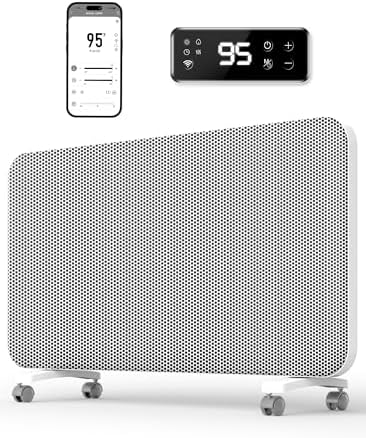
Technology integration has become a significant differentiator in the space heater market. Digital heaters lead in smart functionality, with many models offering programmable timers, remote controls, Wi-Fi connectivity, and smartphone app integration. You can schedule heating cycles to warm rooms before you arrive home, adjust temperatures from bed, or integrate the heater with voice assistants like Alexa or Google Home. Advanced digital thermostats provide precise temperature control in one-degree increments.
Oil-filled radiators have been slower to adopt smart features, though newer models are catching up. Many now include digital thermostats, 24-hour programmable timers, and multiple heat settings. A few premium oil-filled heaters offer Wi-Fi connectivity and app control, though these remain less common than in digital models. The simpler control interface on many oil-filled radiators appeals to users who prefer straightforward operation without complexity.
The practical value of smart features depends on your lifestyle. If you maintain regular heating schedules or want to minimize energy waste by precisely controlling operation times, programmable digital heaters deliver real benefits. If you prefer to set a comfortable temperature and leave the heater running, the sophisticated controls offer less practical advantage.
Price Comparison and Value Proposition
Initial purchase price varies widely within both categories. Basic digital space heaters start around $20-$30, with mid-range models costing $50-$100, and premium smart models reaching $150-$250. The broad price spectrum reflects differences in build quality, heating capacity, features, and brand reputation.
Oil-filled radiators typically start at higher price points, with entry-level models beginning around $50-$70. Quality mid-range options cost $80-$150, and premium models with advanced features can exceed $200. The higher baseline price reflects more substantial construction and materials—metal housing, sealed oil systems, and heavier-gauge components.
When evaluating value, consider total cost of ownership rather than just upfront price. A $30 digital heater that fails after two years and costs more to operate represents worse value than a $100 oil-filled radiator that lasts a decade with lower operating costs. For occasional, short-duration use, an inexpensive digital heater might prove perfectly adequate. For daily, all-season heating, the durability and efficiency of an oil-filled model typically justifies the higher initial investment.
Environmental Impact and Sustainability
Environmental considerations extend beyond just energy consumption. Digital space heaters with fans and complex electronics create more electronic waste when they fail. The plastic housings, circuit boards, and motors make recycling difficult. Manufacturing digital heaters requires rare earth elements for electronics and creates a larger environmental footprint during production.
Oil-filled radiators contain diathermic oil, which raises questions about disposal. However, quality models rarely leak, and the oil typically lasts the life of the heater. The metal construction is highly recyclable at end of life. The simpler design with fewer components creates less manufacturing impact and generates less waste.
Both heater types use electricity, which has varying environmental impacts depending on your local power grid’s energy sources. In regions with clean energy infrastructure, either heater type can operate relatively sustainably. The key environmental advantage goes to oil-filled radiators through their longer operational life, better energy retention, and more recyclable construction.
Making Your Decision: Which Heater Fits Your Needs
The choice between digital and oil-filled space heaters ultimately depends on your specific circumstances, priorities, and heating requirements.
Choose a digital space heater if you need immediate warmth, heat spaces intermittently, want lightweight portability, prefer advanced smart features, or have budget constraints. Digital heaters excel in scenarios requiring quick temperature changes, such as bathrooms, workshops, or offices occupied only during specific hours. They’re ideal for supplemental heating in well-insulated spaces where you want rapid comfort without waiting.
Choose an oil-filled radiator if you heat spaces for extended periods, prioritize silent operation, value energy efficiency, need consistent warmth overnight, or want long-term durability. Oil-filled heaters are superior for bedrooms, living rooms, nurseries, or home offices used throughout the day. They provide the most comfortable, even heating for spaces you occupy regularly and where temperature stability matters more than instant warmth.
Some households benefit from owning both types, using digital heaters for quick tasks and occasional heating while relying on oil-filled radiators for primary, extended heating needs. This strategy maximizes the strengths of each technology while minimizing their respective weaknesses.
Neither digital nor oil-filled space heaters claim absolute superiority—each serves different needs effectively. The space heater landscape in 2026 offers excellent options in both categories, with manufacturers continuing to improve efficiency, safety, and user experience.
Digital space heaters remain the practical choice for immediate, flexible heating with modern conveniences. Their instant warmth and smart features align with contemporary lifestyles that value quick results and technological integration. For secondary heating needs, small spaces, or supplemental warmth, digital heaters deliver satisfactory performance at accessible prices.
Oil-filled radiators represent the better investment for primary, sustained heating where comfort, efficiency, and longevity matter most. Despite slower warmup times and higher initial costs, their superior heat retention, silent operation, and decade-long lifespans make them the economical choice for regular use. The gentle, consistent warmth they provide creates the most comfortable living environment for extended occupancy.
Consider your space, usage patterns, and priorities carefully before purchasing. The right space heater transforms cold rooms into comfortable retreats efficiently and safely. Whether you choose the instant gratification of digital heat or the steady reliability of oil-filled warmth, today’s space heaters offer effective solutions for supplementing your home heating system and managing energy costs through another winter season.