When life gets overwhelming and stress starts to take its toll, I’ve found myself turning to one of the oldest remedies known to humanity: herbal tea. Over the past few months, I’ve been on a mission to find the best herbal tea for wellness, relaxation and anxiety that actually delivers on its promises—not just marketing hype. I’ve sipped, steeped, and savored my way through countless blends, read hundreds of reviews from real customers, and consulted expert recommendations from trusted sources like Healthline, registered dietitians, and herbal medicine practitioners.
What I discovered is that not all anxiety-relief teas are created equal. Some taste like perfumed water, others are too bitter to enjoy, and many simply don’t contain enough of the active ingredients to make a difference. But then there are those special blends—the ones that actually help you unwind after a stressful day, quiet racing thoughts, and promote that elusive sense of calm we’re all chasing. These are the teas I want to share with you today.
For this guide, I focused on herbal tea for wellness, relaxation and anxiety available on Amazon with verified customer reviews, products recommended by herbalists and health professionals, and blends containing scientifically-studied ingredients like chamomile, lavender, valerian root, passionflower, lemon balm, and L-theanine. I considered taste, effectiveness, value for money, organic certification, and most importantly—do they actually help you feel more relaxed? Let’s dive into the 10 best options I found, complete with what makes each one special and who they’re best suited for.
Top 10 Herbal Teas for Wellness, Relaxation and Anxiety
1. Traditional Medicinals Organic Chamomile with Lavender
This is hands-down one of the best stress-relief teas I’ve tested. Traditional Medicinals combines organic chamomile flowers from Egypt’s Nile Valley with Bulgarian lavender and lemon balm in a trio that’s greater than the sum of its parts. The chamomile contains apigenin, a flavonoid that binds to the same brain receptors as anti-anxiety medications, while lavender has been shown in studies to be as effective as some prescription medications for reducing anxiety symptoms. The addition of lemon balm provides gentle sedative effects that help calm frazzled nerves. What sets this apart is the quality—these are pharmacopoeial-grade herbs, meaning they meet the highest medicinal standards. The flavor is delightfully floral without being overpowering, with a natural sweetness that doesn’t require honey. Multiple reviewers mention it tastes slightly “soapy,” which is actually the essential oils doing their job, though it’s mild and pleasant once you get used to it.
Best for: People dealing with stress-related digestive issues and nervous tension who want pharmaceutical-quality herbs in an affordable tea format.

- Settles your nervous system and relaxes your digestive system, especially good when stressed or tense
- Non-gmo project verified, all ingredients certified organic, 40% fair trade certified ingredients, kosher
- Herbal Supplement. The highest quality, pharmacopoeial grade herbs
2. Yogi Tea Bedtime
Yogi Tea’s Bedtime blend has earned cult status for good reason. This Ayurvedic-inspired formula combines passionflower and chamomile with warming spices like licorice, cardamom, and cinnamon that create a naturally sweet, almost dessert-like flavor. Passionflower is the star here—it increases GABA levels in the brain, which slows down neural activity and promotes deep relaxation. Clinical studies suggest it can be as effective as some prescription sleep aids for reducing anxiety and improving sleep quality. Reviewers consistently praise its ability to help them drift off quickly, with many saying it “rocks them to sleep like a newborn baby.” The spiced-sweet taste makes it genuinely enjoyable to drink, not medicinal. Fair warning: the licorice flavor is prominent, so if you dislike black licorice candy, this might not be your cup of tea.
Best for: People who struggle with bedtime anxiety and racing thoughts who prefer naturally sweet teas without added sugar.
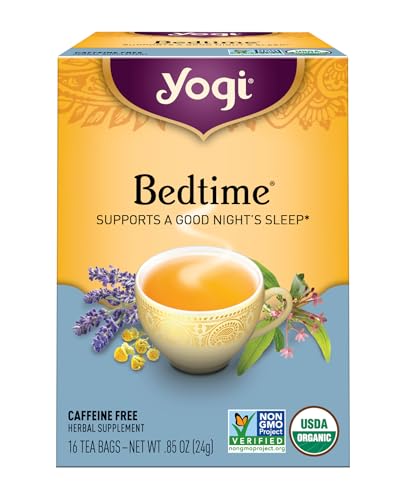
- FLAVOR: Yogi Bedtime tea combines Passionflower and Chamomile with Licorice, Cardamom, and Cinnamon for a naturally spic…
- BENEFITS: This soothing herbal blend is purposefully formulated to support relaxation, and is perfect for enjoying befor…
- ORGANIC: USDA Certified Organic and Non-GMO Project Verified.
3. Traditional Medicinals Organic Nighty Night Extra with Valerian Root
When chamomile alone isn’t cutting it, this is the heavy hitter you need. Nighty Night Extra adds valerian root to the mix—a time-tested herbal sedative that’s been used for thousands of years to ease sleeplessness and nervous system tension. Valerian works by activating GABA receptors in the brain, the same neurotransmitter that produces calming effects and reduces hyperactivity associated with anxiety and stress. This formula also includes passionflower, lemon balm, peppermint, and licorice root for flavor. Valerian has a distinctively earthy, almost musty aroma that some find off-putting, but the other herbs balance it nicely. Important note: this tea is formulated without chamomile, making it suitable for people with allergies to plants in the daisy family. Many reviewers report vivid dreams, which is a known side effect of valerian for some people.
Best for: Adults with severe insomnia or anxiety-related sleep disturbances who need something stronger than standard herbal blends; not for long-term daily use (consult an herbalist for extended protocols).
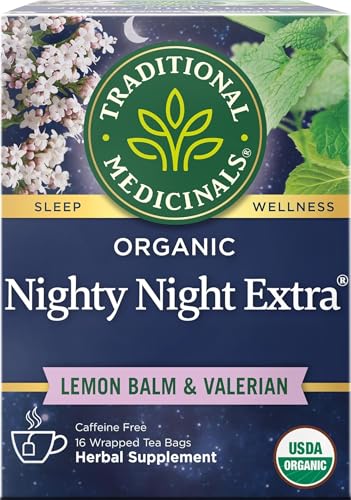
- Herbal sleep support: Nighty Night tea promotes a good night’s rest with valerian root for sleep support
- Taste: Our valerian root tea is earthy, minty and pleasantly herbal
- Inspired by tradition: To create our strongest sleep formula, we blended valerian with complementary traditional herbs l…
4. Organic India Tulsi Original (Holy Basil Tea)
Tulsi, also known as holy basil, is India’s “Queen of Herbs” and has been revered for over 5,000 years as a powerful adaptogen. This blend contains three varieties: Rama, Vana, and Krishna tulsi, each contributing unique compounds that help the body adapt to stress by balancing cortisol levels. Unlike other calming teas that make you drowsy, tulsi provides what users describe as “liquid yoga”—a sense of calm alertness and inner peace. The flavor profile is delightfully herbaceous with notes of white florals, citrus, and clove, making it complex and interesting to drink. It’s completely caffeine-free, so you can enjoy it any time of day. Research shows tulsi supports immune function while reducing stress, making it ideal for people dealing with chronic stress that’s impacting their health. Organic India is Fair Trade Certified and Regenerative Organic Certified, so you’re supporting small Indian farming families.
Best for: People experiencing chronic stress and anxiety who want to support their overall wellness and immune system while staying alert and focused.

- DELIGHTFULLY HERBACEOUS. Tulsi has a soft herbal flavor with natural notes of fresh citrus, white florals and sweet clov…
- UPLIFTING BLEND: Enjoy the uplifting benefits of Tulsi, often called “liquid yoga,” as it helps bring about a sense of c…
- CALMING ADAPTOGEN: Promote inner peace with Tulsi (Holy Basil), an adaptogen revered for its millennia-long history of r…
5. Rishi Tea Organic Lavender Mint
If you suffer from stress headaches or migraines, pay attention to this one. Rishi’s Lavender Mint tea combines the calming properties of French lavender with the cooling, tension-relieving effects of peppermint and clarifying sage. Peppermint contains menthol, which has been clinically shown to reduce anxiety levels when inhaled or consumed, plus it helps soothe digestive issues that often accompany stress. The lavender provides mood-stabilizing and sedative effects without drowsiness. What makes this tea exceptional is its perfect balance—you get a refreshing burst of mint that’s soothing rather than sharp, followed by subtle floral lavender notes that linger pleasantly. The biodegradable pyramid sachets allow the herbs to fully expand for maximum flavor extraction. Multiple reviewers specifically mention it helps with headaches and migraines, making it a go-to when tension strikes.
Best for: People who get stress-related headaches or migraines and prefer minty, refreshing teas over florals.

- LAVENDER MINT TEA – This is a rejuvenating blend of soothing sage, sweet peppermint, clarifying sage, and calming lavend…
- SAVOR & ENJOY – Brew one Lavender Mint Herbal Sachet Bag in 8 ounces of water at 200 degrees Fahrenheit for 5 minutes an…
- GOOD FOR YOUR HEALTH – Rishi’s lavender mint tea bags are USDA Organic, Non-GMO, Certified Kosher, and are made from bio…
6. FGO Organic Chamomile Tea (Egyptian Whole Flowers)
Sometimes simple is best, and this pure Egyptian chamomile delivers exactly what you need: whole flower heads (not dusty fragments) that contain maximum essential oils and active compounds. Sourced from Egypt’s fertile Nile Valley region, these chamomile flowers are USDA certified organic and come in convenient tea bags for easy brewing. Chamomile is one of the most studied herbs for anxiety relief, with research showing it significantly reduces anxiety symptoms and promotes better sleep quality. The flavor is naturally apple-like (chamomile comes from the Greek word for “earth apple”), mildly sweet, and soothing. With over 81,000 reviews and a 4.6-star rating on Amazon, this is a crowd favorite that’s also incredibly affordable at around $19 for 100 tea bags. The resealable bag keeps them fresh, and the quality is consistently praised by customers.
Best for: Chamomile purists who want a single-ingredient tea they can customize with honey or lemon, or use as a base for their own blends.
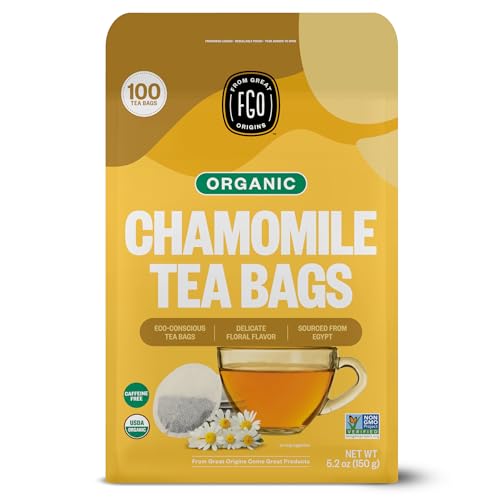
- Tastes Like: delicate, floral, and slightly earthy
- 100 ECO-CONSCIOUS TEA BAGS – Our premium tea bags are constructed of Abacá Hemp Fiber Paper. They are free of dyes, adhe…
- CERTIFIED USDA ORGANIC – All our products are certified USDA Organic by California Certified Organic Farmers (CCOF), a l…
7. Yogi Tea Elderberry Lemon Balm Immune + Stress
When anxiety and stress are compromising your immune system (hello, stress-related illness), this dual-action tea is your friend. Yogi combines ashwagandha—a powerful Ayurvedic adaptogen that helps regulate stress hormones—with antioxidant-rich elderberry and soothing lemon balm. Ashwagandha has been shown in multiple studies to reduce cortisol levels and anxiety symptoms significantly. Lemon balm traditionally soothes the nervous system and has been associated with increased feelings of calmness. The flavor is bright and citrusy with warming notes from ginger, cinnamon, and hibiscus, making it uplifting rather than sedative. This is an excellent daytime option when you need stress support without drowsiness. It’s USDA Organic, Non-GMO, vegan, and kosher certified, with compostable tea bags.
Best for: People dealing with stress-related immune system suppression who want a daytime tea that won’t make them sleepy.
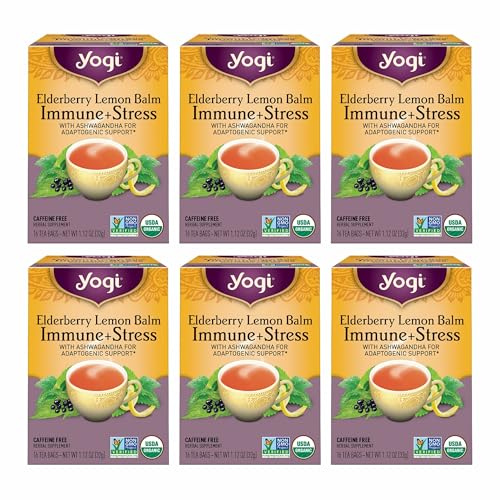
- Organic Tea: Yogi Elderberry Lemon Balm Immune and Stress tea contains organic, Ayurvedic ingredients like Ashwagandha, …
- Immune Support Tea: This immunity tea contains natural ingredients that have been traditionally used to support a health…
- Tea Bag Instructions: Bring water to boiling and steep the tea bag for 7 minutes; for a stronger tea, use 2 tea bags
8. DoMatcha Organic Ceremonial Grade Matcha Powder
Stay with me here—while matcha contains caffeine, it’s actually one of the best natural sources of L-theanine, an amino acid that promotes relaxation without drowsiness while enhancing focus. L-theanine increases alpha brain wave activity, creating a state of “calm alertness” that’s perfect for managing anxiety during busy workdays. Studies show that L-theanine counteracts the jittery effects of caffeine, which is why matcha provides smooth, sustained energy without the anxiety crash associated with coffee. Ceremonial-grade matcha like DoMatcha’s has the highest L-theanine concentration because it’s shade-grown for weeks before harvest, which boosts amino acid production. The ritual of whisking matcha can itself be meditative and stress-relieving. Japanese Zen monks have used matcha for over 800 years to achieve relaxed concentration during meditation.
Best for: People who need to stay focused and productive while managing anxiety, especially those seeking a coffee alternative that won’t trigger jitters.
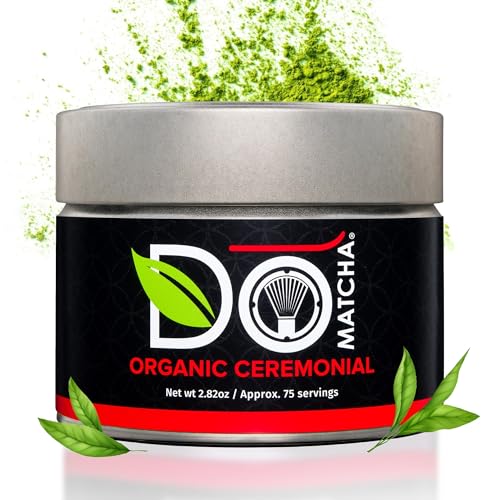
- Experience the Essence of Tradition: Immerse yourself in the rich heritage of ceremonial grade matcha with DoMatcha’s pr…
- Unleash the Power of Green Tea: Enjoy the natural benefits of green tea with our ceremonial grade matcha. Packed with na…
- Elevate Your Moments with Organic Excellence: Indulge in the unparalleled purity of organic matcha. Carefully cultivated…
9. Organic India Tulsi Sleep with Ashwagandha
For nighttime anxiety that prevents restful sleep, this formula combines the adaptogenic power of tulsi with ashwagandha’s stress-relieving properties and the gentle sedative effects of chamomile. Ashwagandha works synergistically with tulsi to help regulate the HPA axis (your body’s stress response system), while chamomile provides immediate calming effects. The result is a tea that helps you transition from wired to relaxed without feeling knocked out. The flavor is mild and slightly sweet with herbal undertones that aren’t overpowering. It’s caffeine-free and specifically formulated for evening use to promote deep, restorative sleep. Reviewers consistently mention waking up refreshed rather than groggy, which is a common complaint with stronger sleep aids.
Best for: People with anxiety-driven insomnia who want to support healthy sleep patterns naturally without next-day grogginess.
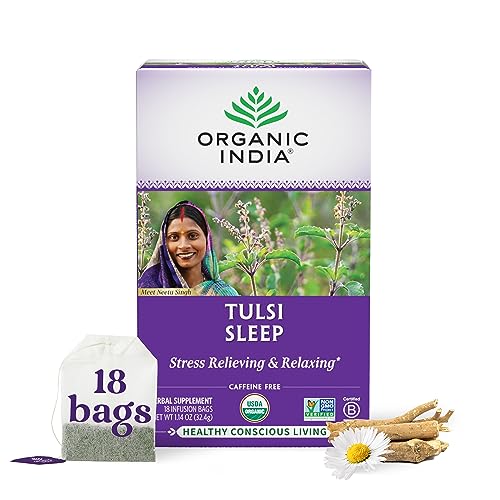
- CALMING BLEND: Organic India Tulsi Sleepy Tea features light Chamomile blossoms that offer a calming and comforting expe…
- STRESS RELIEF: Experience deep relaxation and stress relief with the synergistic combination of Tulsi and Ashwagandha in…
- RESTFUL SLEEP SUPPORT: Enjoy a gentle herbal sleeping tea that promotes restful sleep, helping you drift off into a sere…
10. Bigelow Cozy Chamomile Tea
Sometimes the best tea is the one you’ll actually drink consistently, and Bigelow’s Cozy Chamomile nails the sweet spot of quality, taste, and affordability. At under $4 for 20 tea bags (less than 20 cents per cup), this is the budget champion that doesn’t sacrifice quality. Bigelow sources quality chamomile that steeps quickly and delivers a smooth, floral flavor without bitterness or perfume-like qualities. While it’s not as potent as pharmaceutical-grade options, it’s perfectly suitable for daily stress management and evening relaxation. The mild flavor makes it easy to drink multiple cups throughout the day, and it’s gentle enough that you can give it to older children (consult your pediatrician first). The individually wrapped tea bags stay fresh, making it convenient for travel or keeping at the office.
Best for: Budget-conscious tea drinkers who want a reliable, mild chamomile for daily stress management without breaking the bank.

- Time For Sleep: 120 tea bags of Bigelow Cozy Chamomile Herbal Tea, made with whole chamomile flowers for a sweeter round…
- Tea Bags Individually Wrapped: Bigelow tea bags are gluten-free, calorie-free, Kosher Certified and come individually wr…
- Tea Bags Individually Wrapped: Bigelow tea bags are gluten-free, calorie-free, Kosher Certified and come individually wr…
Things to Consider Before Buying Herbal Tea for Wellness, Relaxation and Anxiety
Active Ingredient Concentration
Not all herbal teas contain enough of the active compounds to produce noticeable effects. Look for products that specify “pharmacopoeial grade,” whole herbs (not dust), or high concentrations of key ingredients like valerian root extract, L-theanine, or specific varieties of chamomile (German chamomile typically has higher essential oil content than Roman). Some cheaper teas use mostly filler herbs with just a sprinkle of the active ingredient—check the ingredient list order, as components are listed by weight. If chamomile is fifth on the list after things like “natural flavors,” you’re not getting much benefit.
Organic Certification and Source
Herbal teas are consumed for health benefits, so you want to avoid pesticides, herbicides, and heavy metals that can accumulate in dried herbs. USDA Organic certification ensures herbs were grown without synthetic chemicals. Additionally, sourcing matters—Egyptian chamomile from the Nile Valley, Bulgarian lavender, and shade-grown Japanese matcha are considered gold standards for their respective herbs due to ideal growing conditions. Fair Trade certification means farmers were paid fairly, which often correlates with better quality control and sustainable farming practices.
Timing and Caffeine Content
Most anxiety-relief teas are caffeine-free, but not all. Green tea and matcha contain caffeine (though balanced with L-theanine), making them better for daytime anxiety management rather than bedtime. Herbs like valerian root and passionflower have sedative properties and can cause drowsiness, so they’re best reserved for evening use. If you’re driving or operating machinery, avoid these stronger sedative blends during the day. Some people experience next-morning grogginess from valerian, so test it on a night when you can sleep in the next day.
Drug Interactions and Contraindications
Herbal teas are medicine, not just beverages. Chamomile can interact with blood thinners. St. John’s wort (found in some stress-relief blends) interacts with birth control, antidepressants, and many other medications. Valerian can intensify the effects of sedatives and anti-anxiety medications. If you’re pregnant, nursing, or taking any prescription medications, consult your healthcare provider before adding herbal teas to your routine. People with allergies to ragweed or plants in the daisy family (Asteraceae) should avoid chamomile, as it can trigger allergic reactions.
Taste Preferences and Palatability
The best tea for anxiety is the one you’ll actually drink consistently. Some people love floral teas like lavender and chamomile, while others find them soapy or perfume-like. If you prefer minty, fresh flavors, look for peppermint or spearmint-based blends. Those who dislike bitter herbs should avoid valerian-heavy teas unless they’re well-balanced with sweeter herbs like licorice root. Don’t force yourself to choke down something unpleasant—there are enough variety options that you’ll find something you genuinely enjoy. Remember, the ritual of tea preparation and the act of taking a break are therapeutic in themselves, so make it an experience you look forward to.
Realistic Expectations About Effectiveness
Herbal teas are gentle, natural remedies—not pharmaceutical drugs. They work best for mild to moderate anxiety and as part of a holistic wellness approach that includes adequate sleep, regular exercise, stress management techniques, and proper nutrition. If you’re experiencing severe anxiety, panic attacks, or depression that interferes with daily life, herbal tea alone won’t be sufficient, and you should seek professional medical help. That said, clinical research supports the anxiety-reducing effects of chamomile, lavender, L-theanine, passionflower, and other herbs when consumed consistently. Give a tea at least 1-2 weeks of regular use before deciding if it’s working for you, as some adaptogenic effects build over time.
Brewing Method and Preparation
Many people don’t realize that proper brewing significantly impacts a tea’s effectiveness. Most herbal teas need to steep longer than regular black or green tea—typically 10-15 minutes covered to extract maximum essential oils and active compounds. Boiling water extracts different compounds than hot (not boiling) water; chamomile and most flowers do best with water around 200-212°F, while delicate herbs like lemon balm prefer slightly cooler temperatures. Using two tea bags or increasing steep time can intensify effects but may also increase bitterness. Covering your cup while steeping traps volatile essential oils that would otherwise evaporate. These small details can make the difference between a mediocre cup and one that actually delivers therapeutic benefits.
Storage and Freshness
Dried herbs lose potency over time as essential oils degrade when exposed to light, air, and moisture. Look for teas packaged in opaque, airtight containers or individually wrapped tea bags. Store your tea in a cool, dark place—not above the stove or in direct sunlight. As a general rule, herbal teas are best consumed within 4-6 months of opening for maximum effectiveness, though they’ll remain safe to drink much longer. If your tea has lost its aroma or smells musty rather than fragrant, it’s past its prime and won’t deliver the same benefits. Buying smaller quantities more frequently ensures you’re always drinking fresh, potent tea.
Finding the right herbal tea for wellness, relaxation and anxiety is a personal journey, and what works beautifully for one person might not resonate with another. I encourage you to experiment with a few different options from this list to discover which flavors you enjoy and which formulas work best for your specific needs. Whether you choose the time-tested simplicity of pure chamomile, the adaptogenic power of tulsi, or the focused calm of matcha, you’re taking a positive step toward natural stress management. Pour yourself a cup, take a deep breath, and give yourself permission to slow down—even if it’s just for the few minutes it takes to steep and savor your tea. Your nervous system will thank you.
Affiliate Disclosure
Transparency matters to me. Some of the links in this article are affiliate links, which means I may earn a small commission if you click through and make a purchase or sign up for a service—at no additional cost to you.